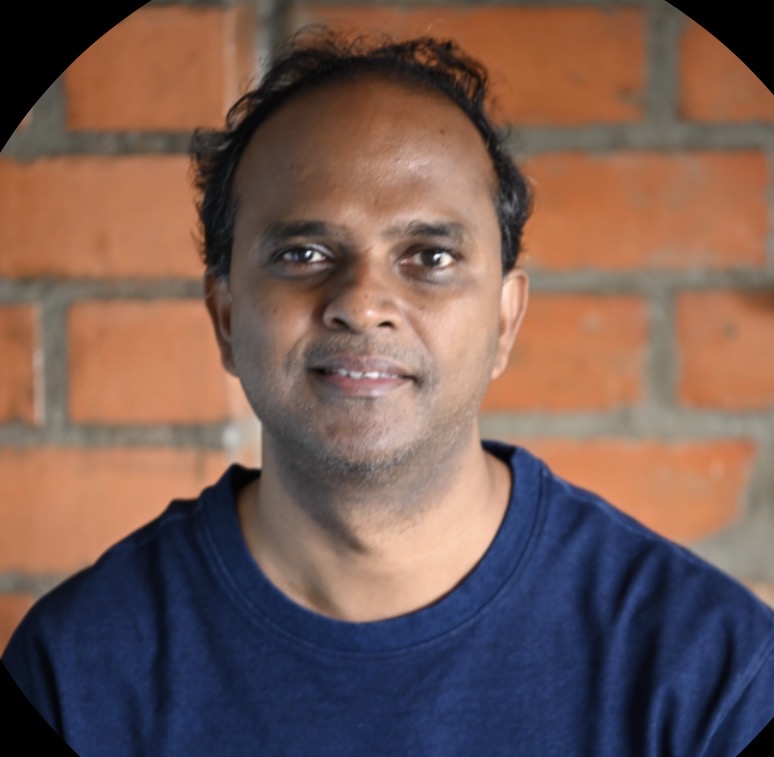
Mr. Thiyagu Gopal
Program Director · IBM
India
I believe this is a book that everyone involved in software development should read in today’s fast-moving technology landscape.
What makes this book particularly special to me is that Anish Cheriyan has been preaching and practising these principles for close to 20 years. Having seen this experience and conviction firsthand, reading those lessons now captured in a book hits differently. It is not just a collection of concepts or best practices; it reflects years of practical experience, lessons learned, and a deep understanding of what it takes to build better engineering practices.
We are often so focused on delivering faster that we forget to question whether we are doing things the right way. This book challenges us to recognise the anti-patterns that become part of our everyday work and understand their long-term impact.
My biggest takeaway is that continuous delivery is not just about speed; it is about building quality, reliability, and sustainability into the way we work. Sometimes, knowing what not to do is just as important as knowing what to do.
A worthwhile read for anyone who wants to challenge conventional thinking, strengthen engineering practices, and build a lasting culture of quality.
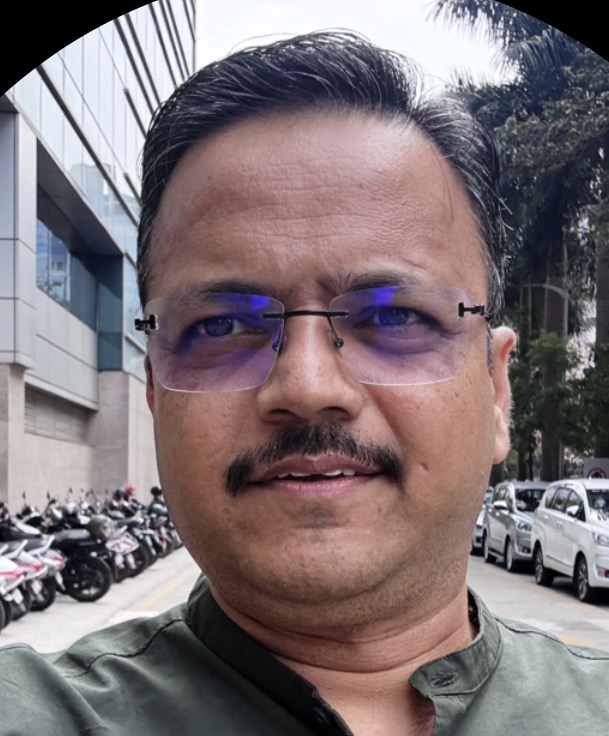
Mr. Jayaraj Jayaraman
Distinguished Software Engineer · Walmart Global
India
I have seen well-intentioned systems slowly rot. The teams were not short on skill; testability was simply never treated as an architectural concern, and comprehensive tests were never built in. Two anti-patterns in this book capture that decay precisely: Testability as a Late Concern and Automation Without a Test Architecture. Anish shows how missing seams, weak controllability and observability, and test suites shaped by tools rather than by architecture and risk quietly erode confidence and flow.
Over more than 16 years of working together, Anish and I built teams that embraced agile engineering practices. We evolved architecture and design incrementally rather than upfront, and relied on test-driven development, pair programming, and continuous integration and delivery. In that world, testability is what keeps an emerging design healthy and easy to change.
What sets this book apart is its Recognize–Diagnose–Transform approach. It treats CI failures as symptoms of the engineering system and offers practical, evidence-based ways to improve it. A valuable read for architects, developers, testers and engineering leaders who want systems that stay easy to change for years, not just for the next release.
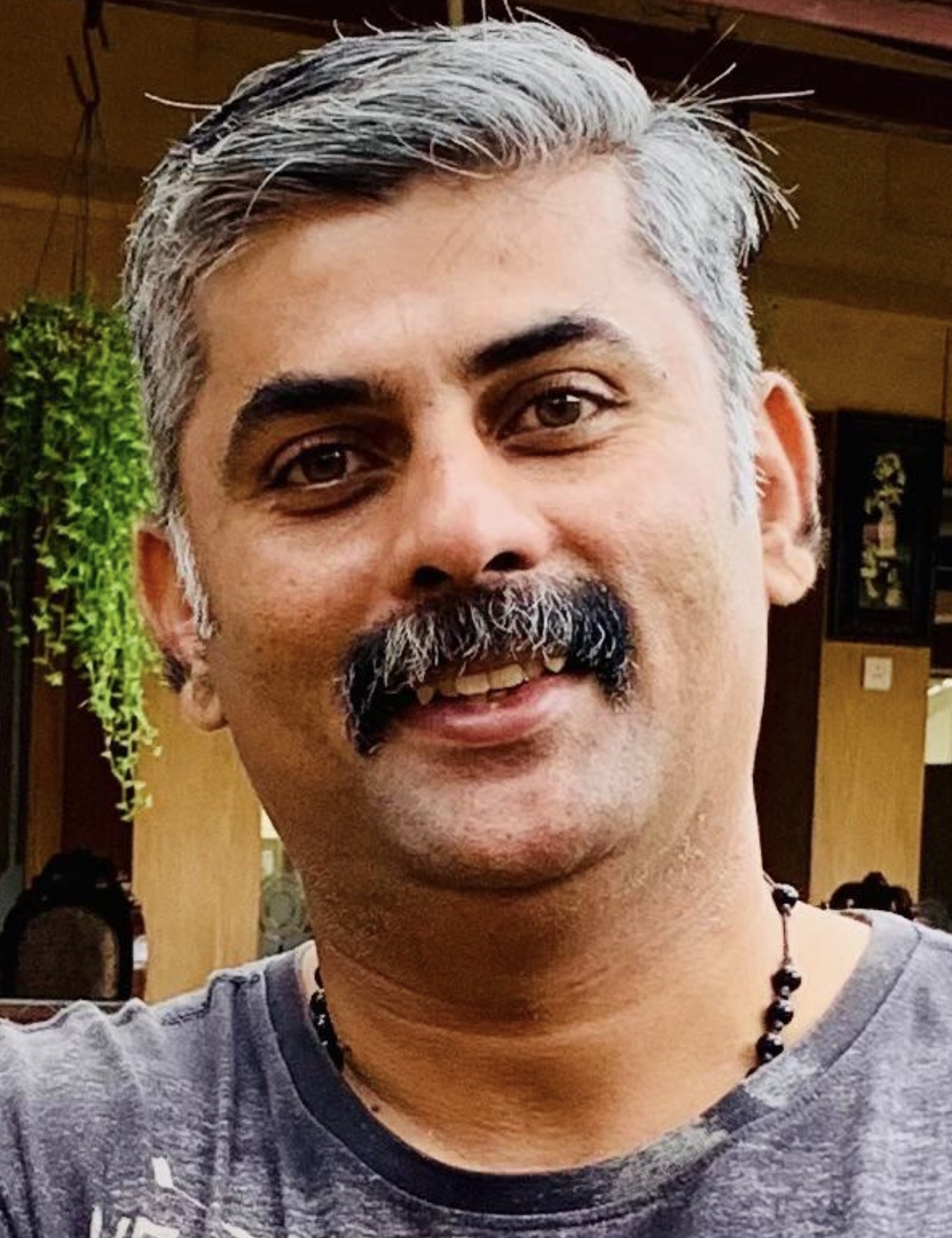
Mr. Suresh Babu Sathiyakumar
Distinguished Engineer · Harman International (Automotive Division)
India
Having worked with Anish for over 16 years, I have had the opportunity to see his thinking on Continuous Integration evolve through years of hands-on engineering experience, research, and real-world implementation.
What makes this book stand out is that it is not another guide to setting up CI/CD pipelines. It captures the hard-earned lessons from nearly two decades of implementing CI in real engineering environments — including the common challenges teams encounter, the assumptions that often go unnoticed, and the practices that can quietly undermine even well-designed CI systems.
The “Recognize – Diagnose – Transform” approach provides a practical way for engineering teams to understand why their delivery systems struggle, rather than simply treating the visible symptoms. I particularly appreciate the emphasis on engineering principles over blindly copying practices that worked elsewhere.
For anyone serious about improving software delivery, this is more than a book about CI/CD tools. It offers a thoughtful and practical perspective on the engineering system behind successful software delivery, shaped by years of experience and continuous learning in the field.
Mr. Srikanth Mampilakal
Product Owner · Rabobank Australia
CI/CD Anti-Patterns is an essential read for infrastructure professionals, delivery leaders, and product teams. It takes an end-to-end view of software delivery, organizing 45 anti-patterns across ten engineering themes, from direction and architecture through quality, platform, security, and the economics of flow. Rather than treating pipelines as a tooling problem, it connects them to the people, culture, and learning loops that shape outcomes.
As a Technical Product Owner, I found that the anti-patterns provide a shared vocabulary for diagnosing what slows engineering teams down. That's often the hardest part of the job: turning vague complaints into specific, prioritizable problems.
A highly relevant and practical read for anyone focused on improving product delivery
Mr. Shameer K C
Distinguished Engineer · Harman Automotive
I’ve seen Anish work deeply in the CI and DevOps space for many years, across organizations, continuously driving improvements and bringing strong hands-on expertise to the table.
What I particularly like about *CI and the Patterns* is that it addresses two realities we often face.
First, we need a strong **North Star** — a clear picture of what good CI looks like and the best practices we should aspire to adopt.
At the same time, the real world comes with organizational constraints — time, resources, legacy systems, priorities, and many other challenges. Understanding the patterns and anti-patterns helps us navigate these realities while still moving toward that North Star.
I’m also a strong believer in the **power of inversion**: sometimes the best way to understand what we should do is to first understand **what not to do**.
If you are working on improving or scaling CI practices in your organization, I strongly recommend reading this book.
Mr. Lokesh Babu Sarode
Senior Staff · Sandisk India
India
CI/CD is often discussed in terms of tools, practices, and implementation frameworks. What makes this book different is that it looks at the other side of the journey — the anti-patterns, bottlenecks, resistance, and practical challenges that teams actually encounter while implementing CI/CD in real organizations.
The value of this book lies in those experiences and the perspectives drawn from them. It encourages us to look beyond simply adopting practices and think about what can go wrong, why it happens, and how we can learn from it.
A practical and insightful read for anyone involved in engineering, DevOps, or organizational transformation.
Mr. Binil Thomas
Vice President- Delivery · Cogniphi Technologies
A timely and insightful resource for technology, delivery, and engineering leaders seeking to strengthen software engineering effectiveness and delivery predictability. The book offers a structured and actionable perspective on improving quality, engineering maturity, and sustainable delivery outcomes.
As a delivery leader with experience across diverse technology and domains, I particularly value the Recognize → Diagnose → Transform → Assess → Mature framework. Its practical, systems-oriented approach makes the book highly relevant to industry leaders and engineering practitioners focused on building high-performing and resilient engineering organizations.
Mr. Lloyd Anto
Lead Principal Site Reliability Engineer · Oracle
With over 25 years of experience in the software industry, including more than 20 years specializing in DevOps, I’ve seen firsthand how challenging it can be to build and sustain effective Continuous Integration practices. This book does an excellent job of bringing these real-world challenges to the forefront.
The anti-patterns are covered with sufficient depth, providing clear visibility into the typical challenges teams face and practical guidance on how to address them. What I particularly value is the book’s ability to connect fundamental CI concepts with the realities practitioners encounter in day-to-day engineering environments.
A valuable read for both experienced practitioners and those looking to build a stronger foundation in Continuous Integration. It offers practical insights that can help teams recognize common pitfalls, understand their underlying causes, and take meaningful steps toward improving their CI practices.